Understanding Character Defects in Manufacturing
Character defects significantly impact product reliability; identifying these flaws—like cracks, porosity, or inclusions—is crucial for maintaining high manufacturing standards and customer satisfaction.
Character defects represent deviations from established quality standards within manufactured components, extending beyond mere functional failures. These imperfections, often subtle, compromise the integrity and longevity of a product, potentially leading to premature wear, reduced performance, or even catastrophic breakdowns.
Understanding these defects isn’t simply about identifying flaws; it’s about recognizing their nature – whether they stem from material inconsistencies, process variations, or external factors. A comprehensive grasp of character defects is paramount for implementing effective quality control measures and ensuring consistent product reliability.
This necessitates a detailed examination of defect types, their origins, and the methodologies employed for their detection and prevention. Ignoring these subtle imperfections can have significant repercussions on brand reputation and overall operational costs.
Defining Character Defects: Beyond Simple Flaws

Character defects aren’t solely about a part failing to function; they encompass imperfections that deviate from the intended design and material specifications, even if the component initially performs as expected. These are nuanced issues impacting long-term durability and reliability.
Unlike functional defects, which are immediately apparent, character defects often manifest over time, subtly weakening the material structure or creating stress points. Examples include minor porosity, micro-cracks, or slight variations in surface finish.
Defining these defects requires a precise understanding of acceptable tolerances and a commitment to rigorous inspection protocols. It’s about proactively identifying potential failure modes before they escalate, ensuring consistent quality and minimizing risks throughout the product lifecycle.
Common Categories of Character Defects
Character defects broadly fall into three primary categories: surface, subsurface, and dimensional. Surface defects are visible imperfections like scratches, dents, or corrosion, easily detected through visual inspection. Subsurface defects, however, are hidden within the material – porosity, inclusions, or voids – requiring specialized NDT methods for identification.
Dimensional defects relate to deviations from specified measurements, including incorrect sizes, shapes, or tolerances. These can arise from tooling wear, machine calibration issues, or material shrinkage. Each category presents unique challenges for detection and requires tailored inspection strategies.
Understanding these classifications is vital for developing effective quality control procedures and implementing targeted preventative measures, ultimately improving product integrity.
Surface Defects
Surface defects are visually discernible imperfections occurring on a component’s exterior. Common examples include scratches, caused by abrasive contact during handling or processing; dents, resulting from impact; and corrosion, stemming from chemical reactions with the environment. Cracks, often indicative of stress or fatigue, are also critical surface flaws.
Pits, small indentations, and scale, a flaky surface layer, further contribute to this category. These defects can compromise aesthetic appeal, reduce corrosion resistance, and even initiate structural failure. Effective visual inspection, often aided by magnification, is key to identifying surface imperfections.
Proper handling procedures and protective coatings can significantly minimize the occurrence of these readily observable flaws.
Subsurface Defects
Subsurface defects reside beneath the material’s surface, making detection more challenging. Porosity, the presence of voids or gas pockets, weakens structural integrity. Inclusions, foreign materials embedded within the material, can act as stress concentrators and initiate cracks. Voids, similar to porosity, represent empty spaces within the material’s structure.
Laps, caused by folding over of material during processing, and seams, resulting from incomplete fusion in welding, are also considered subsurface flaws. These defects are often undetectable through visual inspection alone, requiring non-destructive testing (NDT) methods like ultrasonic testing or radiography.
Addressing these hidden imperfections is vital for ensuring long-term component reliability and preventing catastrophic failures.
Dimensional Defects

Dimensional defects involve deviations from specified engineering tolerances, impacting fit, form, and function. Incorrect dimensions, such as length, width, or height outside acceptable limits, are common. Warpage, a distortion of shape, can occur due to uneven cooling or internal stresses. Twisting introduces a rotational deformation, while bowing creates a curvature.
Out-of-roundness affects circular components, and tapering describes a gradual change in diameter. These defects often arise from tooling wear, improper machine setup, or material shrinkage. Precise measurement tools, like calipers and coordinate measuring machines (CMMs), are essential for detection.
Correcting dimensional inaccuracies is crucial for assembly and overall product performance.
Causes of Character Defects: A Multifaceted Problem
Character defects rarely stem from a single source; instead, they’re typically the result of interconnected issues throughout the manufacturing process. Material inconsistencies, including impurities or variations in composition, play a significant role. Process parameters – temperature, pressure, and speed – if not tightly controlled, can induce flaws.
Tooling degradation, such as worn or damaged dies and molds, directly impacts part quality. Equipment malfunctions, like unstable power supplies or inaccurate positioning systems, contribute to defects. Human error during setup or operation also remains a factor.
Understanding these interwoven causes is vital for effective defect prevention and robust quality control.

Material Issues & Impurities
Raw material quality is paramount; impurities like oxides, sulfides, or foreign particles introduce weaknesses and initiate defect formation. Inconsistent chemical composition within a material batch leads to varying mechanical properties and unpredictable behavior during processing. Internal stresses, present from the material’s creation, can manifest as cracks or warping during subsequent operations.
Material porosity, even microscopic, provides nucleation sites for further defects. Inclusions – non-metallic solids trapped within the material – act as stress concentrators. Proper material selection, rigorous incoming inspection, and adherence to material specifications are crucial for mitigating these risks.

Process Control Failures
Inadequate process monitoring and control directly contribute to character defect formation. Temperature fluctuations during heat treatment can induce unwanted phase transformations or residual stresses. Incorrect pressure settings in molding or forming operations lead to incomplete filling or excessive deformation. Improper cooling rates cause warping, cracking, or internal stresses.
Variations in feed rates or machine speeds introduce inconsistencies in the manufactured parts. Insufficient lubrication causes friction and wear, generating surface defects. Maintaining strict adherence to established process parameters, employing automated control systems, and regular calibration of equipment are vital for defect prevention.
Tooling and Equipment Malfunctions
Worn or damaged tooling is a primary source of character defects. Blunt cutting edges create burrs and rough surfaces, while cracked molds introduce inconsistencies and flash. Misaligned dies result in dimensional inaccuracies and deformation. Vibration in machining centers causes chatter marks and surface imperfections.
Calibration issues with measuring instruments lead to incorrect settings and flawed parts. Hydraulic system failures affect pressure control, impacting forming processes. Regular inspection, preventative maintenance, and timely replacement of worn components are essential. Investing in high-quality, well-maintained equipment minimizes defect rates and ensures consistent product quality.
Non-Destructive Testing (NDT) Methods for Detection
Non-destructive testing (NDT) is vital for identifying character defects without damaging the component. Radiographic testing (X-ray) reveals internal flaws like porosity and cracks. Liquid penetrant inspection highlights surface-breaking defects through dye penetration. Magnetic particle inspection detects surface and near-surface flaws in ferromagnetic materials.
Eddy current testing identifies surface and subsurface defects using electromagnetic induction. These methods allow for 100% inspection of critical components, ensuring quality control. Choosing the appropriate NDT method depends on the material, defect type, and accessibility. Proper training and certification of NDT personnel are crucial for accurate results.
Visual Inspection Techniques
Visual inspection remains the most widely used NDT method, offering a cost-effective initial assessment for character defects. Direct visual inspection utilizes the naked eye, aided by magnification tools like magnifying glasses and microscopes, to identify surface flaws – scratches, dents, or discoloration. Remote visual inspection employs borescopes, fiberscopes, and video probes to examine inaccessible areas.
Proper lighting, including both direct and indirect illumination, is critical for effective visual inspection. Trained inspectors follow established acceptance criteria, documenting defects with photographs and detailed reports. While simple, visual inspection requires skilled observers and consistent methodology to ensure reliable defect detection and categorization.
Ultrasonic Testing (UT) Overview
Ultrasonic Testing (UT) utilizes high-frequency sound waves to detect internal character defects. A transducer emits sound into the material; reflections from flaws – cracks, voids, or inclusions – are analyzed to determine defect location, size, and type. Pulse-echo UT is common, measuring time-of-flight to pinpoint defects.
UT excels at detecting subsurface flaws inaccessible to visual inspection. Different techniques, like phased array UT, offer enhanced imaging capabilities. Careful calibration and skilled interpretation are vital for accurate results. Couplants are used to ensure efficient sound transmission. UT is widely applied in industries requiring high structural integrity, like aerospace and oil & gas.

Destructive Testing Methods for Characterization
Destructive testing involves physically altering a sample to reveal internal character defects. Metallographic examination, involving sectioning and polishing, allows microscopic flaw identification – porosity, inclusions, or grain boundary issues. Tensile testing reveals strength and ductility, indicating defect impact. Fractography analyzes fracture surfaces to determine defect origins and growth mechanisms.
While sacrificing the tested part, these methods provide detailed characterization. Hardness testing can indirectly indicate defect presence. Careful sample preparation and standardized procedures are crucial for reliable results. Data obtained informs material selection and process improvements, despite the destructive nature.
Impact of Character Defects on Product Performance
Character defects compromise product integrity and functionality, potentially leading to premature failure. Surface flaws initiate crack propagation under stress, reducing fatigue life. Internal voids weaken structural components, decreasing load-bearing capacity. Inclusions act as stress concentrators, accelerating fracture.
Even seemingly minor defects can significantly impact performance, especially in critical applications. Reduced reliability translates to increased warranty claims and safety concerns. Thorough defect analysis is vital to predict service life and prevent catastrophic failures. Understanding these impacts drives quality control and design optimization.
Character Defect Classification & Severity Levels
Character defects are categorized based on type and severity, guiding acceptance criteria. Critical defects pose immediate safety hazards or complete functional failure, requiring 100% rejection. Major defects reduce usability or lifespan, demanding repair or rejection. Minor defects are cosmetic and typically acceptable within defined limits.
Severity levels often utilize a numerical scale (e.g., 1-5) or descriptive terms (e.g., negligible, slight, moderate, severe). Classification relies on standardized guidelines like ASTM or ISO standards, ensuring consistent evaluation. Proper categorization is essential for effective quality control and informed decision-making regarding product disposition.
Regulatory Standards & Acceptable Defect Rates
Manufacturing is heavily influenced by industry-specific regulations and standards, dictating acceptable defect rates. For example, aerospace and medical devices adhere to stringent requirements, often with zero-tolerance for critical flaws. Automotive and electronics industries employ Acceptable Quality Limit (AQL) sampling plans, defining maximum defect percentages based on lot size and inspection level.
Compliance with standards like ISO 9001 is often mandatory. Documentation of defect rates and corrective actions is crucial for audits. Understanding these regulations ensures product safety, reliability, and legal compliance, minimizing risks and maintaining market access.
Prevention Strategies: Proactive Defect Management
Proactive defect management centers on preventing flaws before they occur. This involves robust design for manufacturability (DFM) principles, ensuring designs are easily produced with minimal error potential. Implementing preventative maintenance schedules for tooling and equipment minimizes malfunctions. Thorough material sourcing and verification processes reduce impurity-related defects.
Operator training and standardized work instructions are vital for consistent execution. Process Failure Mode and Effects Analysis (PFMEA) identifies potential failure points. By focusing on prevention, manufacturers reduce scrap, rework, and warranty claims, ultimately improving profitability and customer satisfaction.
Utilizing Statistical Process Control (SPC)
Statistical Process Control (SPC) employs statistical methods to monitor and control a process, detecting variations that may lead to defects. Control charts, like X-bar and R charts, visually represent process data over time, highlighting trends and outliers. Implementing SPC allows for early identification of process shifts before defects become widespread.
Capability analysis (Cp, Cpk) assesses a process’s ability to meet specifications. Data collection and analysis are crucial; accurate measurements and proper chart selection are essential for effective SPC. Regular review and adjustment of control limits ensure continued process stability and defect reduction.

Root Cause Analysis (RCA) Techniques
Root Cause Analysis (RCA) aims to identify the fundamental reasons behind character defects, preventing recurrence. The “5 Whys” technique involves repeatedly asking “why” to drill down to the core issue. Fishbone diagrams (Ishikawa diagrams) visually map potential causes categorized by factors like materials, methods, manpower, machinery, and environment.
Fault Tree Analysis (FTA) uses a top-down approach to identify combinations of events leading to a defect. Pareto charts prioritize causes based on frequency, focusing efforts on the most significant contributors. Effective RCA requires a systematic approach, data-driven investigation, and collaborative teamwork to implement lasting corrective actions.
Documentation and Reporting of Character Defects
Comprehensive documentation of character defects is vital for tracking trends, implementing corrective actions, and ensuring accountability. Reports should detail defect type, location, severity, frequency, and associated production parameters. Utilizing standardized forms and digital databases streamlines data collection and analysis.
Photographic evidence and detailed descriptions are crucial for clear communication. Reporting should follow established protocols, reaching relevant stakeholders – quality control, engineering, and management. Regular reports facilitate informed decision-making, process improvements, and adherence to regulatory requirements, ultimately enhancing product quality and minimizing future occurrences.

Emerging Technologies in Defect Detection (AI & Machine Learning)
Artificial intelligence (AI) and machine learning (ML) are revolutionizing defect detection, offering speed and accuracy beyond traditional methods. ML algorithms can analyze vast datasets of images and sensor data to identify subtle anomalies indicative of character defects, even those invisible to the human eye.
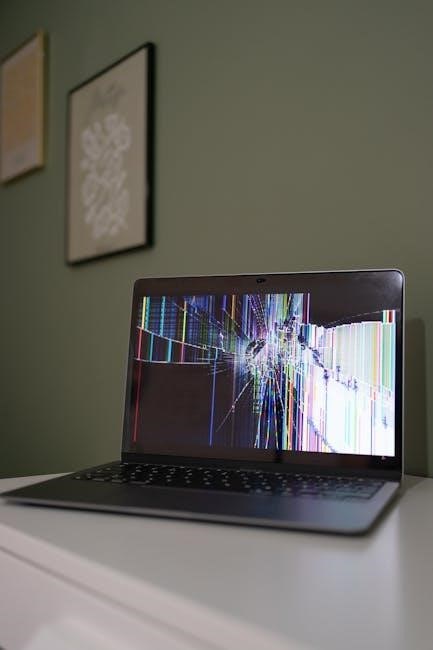
Computer vision systems, powered by AI, automate visual inspection, reducing human error and increasing throughput. Predictive modeling, using ML, anticipates potential defects based on process parameters. These technologies enable real-time monitoring, proactive intervention, and continuous improvement, leading to higher quality products and reduced waste.
Effective character defect management is paramount for robust quality assurance. A holistic approach, integrating proactive prevention strategies – like Statistical Process Control and Root Cause Analysis – with advanced detection technologies, is essential. Consistent documentation and reporting of defects provide valuable data for continuous improvement.

Ultimately, minimizing defects isn’t solely about identifying flaws; it’s about building a culture of quality throughout the entire manufacturing process. This dedication enhances product reliability, reduces costs, and strengthens customer trust, solidifying a competitive advantage in the marketplace.