Oral motor exercises, often found in PDF guides like those from Clarian Health and Super Duper Inc., aim to improve oral muscle strength and coordination.
These exercises, detailed in resources such as “179 Oral-Motor Workouts for Home”, are crucial for individuals needing support with speech or swallowing functions.
What are Oral Motor Exercises?
Oral motor exercises are a set of movements designed to strengthen the muscles of the mouth, tongue, and jaw. Resources like the “179 Oral-Motor Workouts for Home” PDF by Thaashida L. Hutton, M.S., CCC-SLP, visually demonstrate these techniques.
These exercises aren’t just random movements; they are targeted activities, often involving lip pursing, tongue protrusion, and jaw control. PDF guides from sources like Clarian Health provide detailed instructions and illustrations. They are frequently used in speech therapy and rehabilitation, particularly post-stroke, as highlighted in research analyzing intervention protocols.

NHS Borders resources emphasize their role in providing proprioceptive input, offering a calming “heavy work” activity, especially beneficial for children. The goal is to improve oral awareness and coordination, enhancing both speech and swallowing abilities.
Why are Oral Motor Exercises Important?
Oral motor exercises are vital for individuals experiencing difficulties with speech, swallowing, or oral sensory processing. PDF resources, such as “179 Oral-Motor Workouts for Home”, demonstrate how targeted movements can rebuild muscle strength and coordination.
Post-stroke recovery often necessitates these exercises, as research indicates their effectiveness in improving oral and pharyngeal motor function. Clarian Health’s PDF guide provides specific exercises for neuro-rehabilitation. For children, NHS Borders highlights their calming effect, utilizing proprioception as part of sensory diets.
Ultimately, these exercises enhance the ability to clearly articulate sounds and safely consume food and liquids, improving overall quality of life. Visual aids within these PDFs are crucial for correct implementation.

Benefits of Oral Motor Exercises
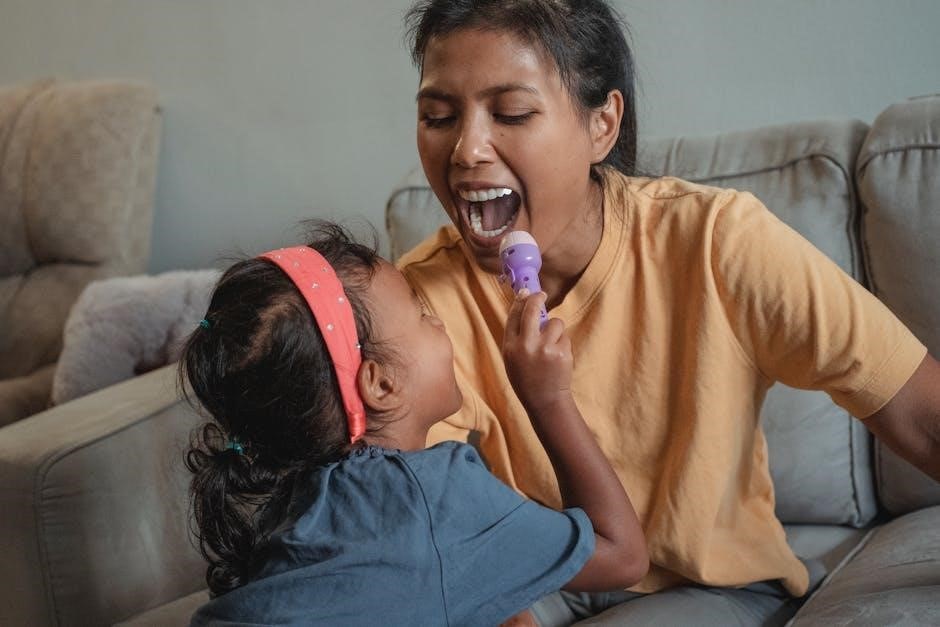
PDF guides, like those from Super Duper Inc., illustrate how exercises improve speech clarity, swallowing, and oral awareness through targeted muscle strengthening and coordination.
Improved Speech Clarity
Oral motor exercises, often visually demonstrated in PDF resources like “179 Oral-Motor Workouts for Home” by Thaashida L. Hutton, directly contribute to enhanced speech clarity. These exercises strengthen the muscles responsible for articulation – lips, tongue, and jaw – enabling more precise sound production.
By consistently performing exercises such as lip purses, tongue protrusions, and jaw movements (as detailed in Clarian Health’s PDF), individuals can improve their ability to form words correctly. This is particularly beneficial for those with dysarthria or other speech impairments. The visual aids within these PDFs are invaluable for understanding proper technique and ensuring effective practice, leading to noticeable improvements in pronunciation and overall speech intelligibility.
Enhanced Swallowing Function
Oral motor exercises, readily available with visual guidance in PDFs like those from NHS Borders and Clarian Health, play a vital role in enhancing swallowing function. These exercises strengthen the oral muscles crucial for safely and efficiently moving food from the mouth to the throat.
Resources such as “179 Oral-Motor Workouts for Home” illustrate techniques to improve tongue control and jaw strength, essential for proper chewing and bolus formation. Addressing oral motor deficits through targeted exercises, as shown in these PDF guides, can reduce the risk of aspiration and improve the overall quality of swallowing. Consistent practice, aided by visual cues, is key to regaining safe and effective swallowing abilities.
Increased Oral Awareness
Oral motor exercises, often detailed with illustrative images in PDF resources like those from Super Duper Inc. and Clarian Health, significantly increase oral awareness. These exercises help individuals become more conscious of the sensations and movements within their mouth, improving proprioception.
Guides such as “179 Oral-Motor Workouts for Home” demonstrate techniques to stimulate and refine tactile sensitivity within the oral cavity. Enhanced awareness aids in precise tongue placement for speech and efficient food manipulation during swallowing. PDFs from NHS Borders highlight how these exercises can provide “heavy work” proprioception, offering a calming sensory experience alongside functional improvements.
Types of Oral Motor Exercises
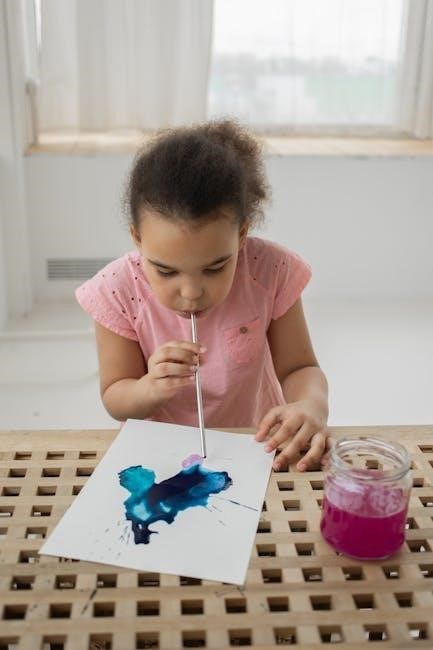
PDF guides, including “179 Oral-Motor Workouts,” categorize exercises into lip, tongue, and jaw movements, often with visual aids for proper technique and understanding.
Lip Exercises
Lip exercises, frequently illustrated in PDF resources like those available from Super Duper Inc. and “179 Oral-Motor Workouts for Home,” focus on strengthening and increasing the range of motion of the lips.
Lip Purses and Retractions involve puckering the lips as if to kiss, then drawing them back against the teeth – these are often visually demonstrated in guides.
Lip Spreading and Smiling exercises encourage widening the mouth into a broad smile, promoting lip flexibility. Many PDFs include pictures showing correct form.
These exercises, found on sites like widesmiles.org, are fundamental for improving articulation and oral awareness, and the visual aids in PDFs are incredibly helpful for patients and therapists alike.

Lip Purses and Retractions
Lip purses and retractions, commonly detailed with illustrative images in PDF guides such as “179 Oral-Motor Workouts for Home” by Thaashida L. Hutton, are foundational lip exercises.
The exercise begins with gently puckering the lips as if preparing to kiss – a visual often provided in PDFs for clarity. Following this, the lips are drawn back against the teeth, creating a retracted position.
These movements, frequently found in resources from Super Duper Publications, enhance lip strength and control, crucial for articulation. PDFs often suggest repetitions and hold times.
Visual guides are essential, demonstrating proper technique and ensuring correct muscle engagement, making these PDF resources invaluable for both therapists and individuals practicing at home.
Lip Spreading and Smiling
Lip spreading and smiling exercises, frequently illustrated in PDF resources like those available from Super Duper Inc. and “179 Oral-Motor Workouts for Home”, target different aspects of lip function.
These exercises involve consciously stretching the lips horizontally, as in a broad smile. Many PDF guides emphasize maintaining the stretch for a few seconds, repeating the action multiple times.
Visual cues, common in these PDFs, demonstrate the full range of motion, ensuring proper form. This exercise improves lip rounding and overall facial muscle strength.
Resources often highlight the importance of mirroring the exercise in front of a mirror for self-correction. PDFs provide a convenient, accessible way to learn and practice these techniques effectively.
Tongue Exercises
Tongue exercises, comprehensively detailed in PDF guides such as “179 Oral-Motor Workouts for Home” by Thaashida L. Hutton, are fundamental for improving oral motor control. These exercises address strength, range of motion, and coordination.
PDF resources often include visual aids demonstrating proper tongue placement and movement patterns. These guides emphasize the importance of controlled, deliberate repetitions.
Exercises commonly featured in these PDFs include tongue protrusion, retraction, and lateralization. Clarian Health’s PDF also provides examples of tongue movements.
The goal is to enhance the tongue’s ability to perform precise movements necessary for clear speech and efficient swallowing. Utilizing PDFs allows for convenient, at-home practice.
Tongue Protrusion and Retraction
Tongue protrusion and retraction exercises, frequently illustrated in PDF resources like “179 Oral-Motor Workouts for Home”, focus on extending the tongue outwards and then drawing it back into the mouth.
PDF guides often demonstrate these exercises with clear pictures, emphasizing controlled movements and avoiding excessive force. These visuals aid in proper form and technique.
The Clarian Health PDF provides examples, highlighting the importance of repeating these movements to build strength and coordination. These exercises improve lingual control.
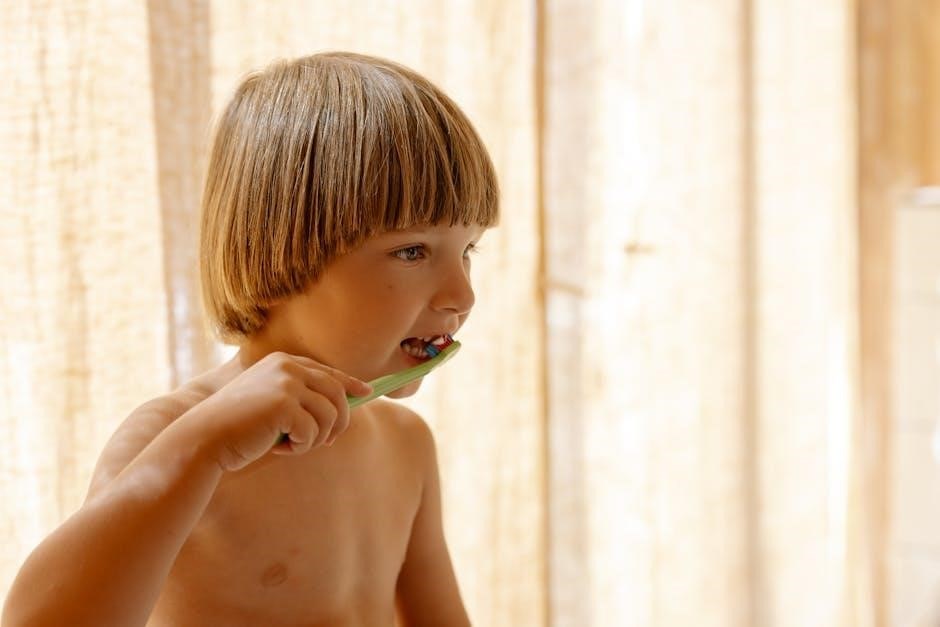
Consistent practice, guided by PDF instructions, enhances the tongue’s ability to articulate sounds and manipulate food during chewing and swallowing. Proper form is key.
Tongue Lateralization (Side-to-Side)
Tongue lateralization, or moving the tongue from side to side, is a key exercise detailed in many oral motor exercise PDF guides, including resources from Super Duper Inc. and “179 Oral-Motor Workouts for Home”.
PDFs often include visual aids demonstrating how to touch the corners of the mouth with the tongue, promoting range of motion and strengthening lateral muscles.
These exercises, as shown in PDF examples, are crucial for improving articulation of sounds requiring tongue movement to the sides of the mouth, like ‘k’ and ‘g’.
Consistent practice, guided by PDF instructions, enhances control and coordination. Proper execution, visualized in PDFs, ensures effective strengthening and improved speech clarity.
Jaw Exercises
Jaw exercises are fundamental components of oral motor therapy, frequently illustrated in PDF resources like those offered by Clarian Health and detailed in “179 Oral-Motor Workouts for Home”. These PDF guides emphasize strengthening jaw muscles for improved chewing and speech.
PDFs typically showcase exercises like controlled jaw opening and closing, and side-to-side movements, often with visual cues for proper form.
Strengthening the jaw is vital for clear articulation and efficient swallowing. PDF resources often highlight the importance of resistance training, using gentle pressure to increase muscle strength.
Consistent practice, guided by PDF instructions, improves jaw stability and coordination, contributing to overall oral motor function.
Jaw Opening and Closing
Jaw opening and closing exercises, frequently detailed in PDF guides like those from Clarian Health and “179 Oral-Motor Workouts for Home”, are foundational for oral motor skill development. These PDF resources often include visual demonstrations of proper technique.
The exercises involve slowly and deliberately opening the mouth as wide as comfortably possible, then gently closing it. PDFs emphasize controlled movements, avoiding quick or jerky actions.
Resistance can be added gradually, using fingers or a tongue depressor for increased challenge, as shown in some PDF illustrations.
Consistent practice, guided by PDF instructions, improves jaw range of motion and muscle strength, benefiting both speech and chewing functions.
Jaw Side-to-Side Movements
Jaw side-to-side movements, often illustrated in PDF resources like “179 Oral-Motor Workouts for Home” and Clarian Health’s guide, enhance jaw control and coordination. These PDFs typically demonstrate the exercise with clear visual cues.
The exercise involves gently sliding the lower jaw from side to side, maintaining a relaxed upper jaw. PDF instructions emphasize avoiding excessive force or tension.
Resistance can be applied with a hand placed on the cheek to increase the challenge, as depicted in some PDF examples.
Regular practice, guided by PDF materials, improves jaw mobility and strengthens the muscles used for lateral speech sounds and chewing.
Finding and Utilizing PDF Resources
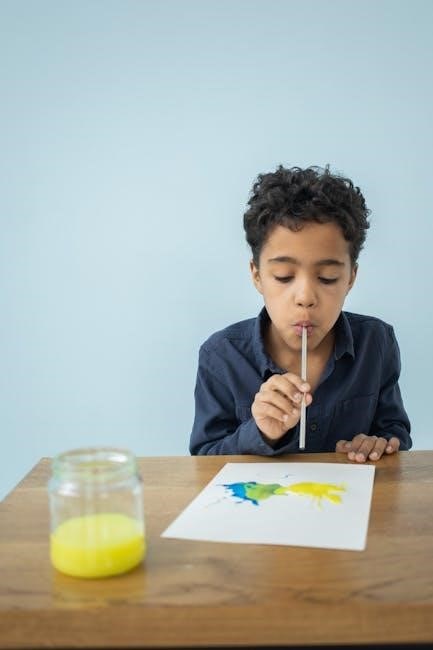
PDF guides like “179 Oral-Motor Workouts” and resources from NHS Borders and Clarian Health offer visual exercises for improved oral motor skills.
Popular PDF Guides: “179 Oral-Motor Workouts for Home”
Thaashida L. Hutton’s “179 Oral-Motor Workouts for Home,” available through handyhandouts;com and Super Duper Publications, is a comprehensive resource for therapists and caregivers.
This PDF guide provides a vast collection of exercises targeting various oral motor skills, including lip control, tongue movement, and jaw strength. The workouts are often presented with clear instructions, making them accessible for home practice.
The resource draws upon information from sites like widesmiles.org, offering a practical approach to improving oral function. It’s a valuable tool for individuals needing support with speech, feeding, or swallowing difficulties, and is frequently recommended by speech-language pathologists.
NHS Borders Resources for Children
The NHS Borders Children and Young Peoples Occupational Therapy Service provides valuable oral motor exercises designed to enhance strength and coordination. These exercises aren’t just about function; they offer a “heavy work” proprioceptive experience.
This sensory input can be incredibly calming, making these activities ideal for inclusion in sensory diets to help children regulate their arousal levels. The resources focus on providing additional opportunities for oral motor skill development.
While specific PDF guides with pictures aren’t directly linked in the provided text, the NHS Borders approach emphasizes integrating these exercises into a broader sensory strategy for children needing support.
Clarian Health Oral Motor Exercise PDF
Clarian Health offers a dedicated PDF resource detailing oral motor exercises, accessible as of October 2008 (according to cited sources). This document provides a structured approach to improving oral function through targeted movements.
Though the provided information doesn’t specify the inclusion of pictures within the PDF itself, the resource aims to guide individuals through exercises designed to strengthen muscles used in speech and swallowing. It’s a valuable tool for therapists and individuals seeking a neuro-focused approach.
The PDF is intended to support rehabilitation and enhance oral motor skills, offering a practical guide for implementation.
Oral Motor Exercises for Post-Stroke Recovery
Oral motor exercises, often detailed in PDF guides, are vital for post-stroke rehabilitation, focusing on regaining oral function and improving communication skills.
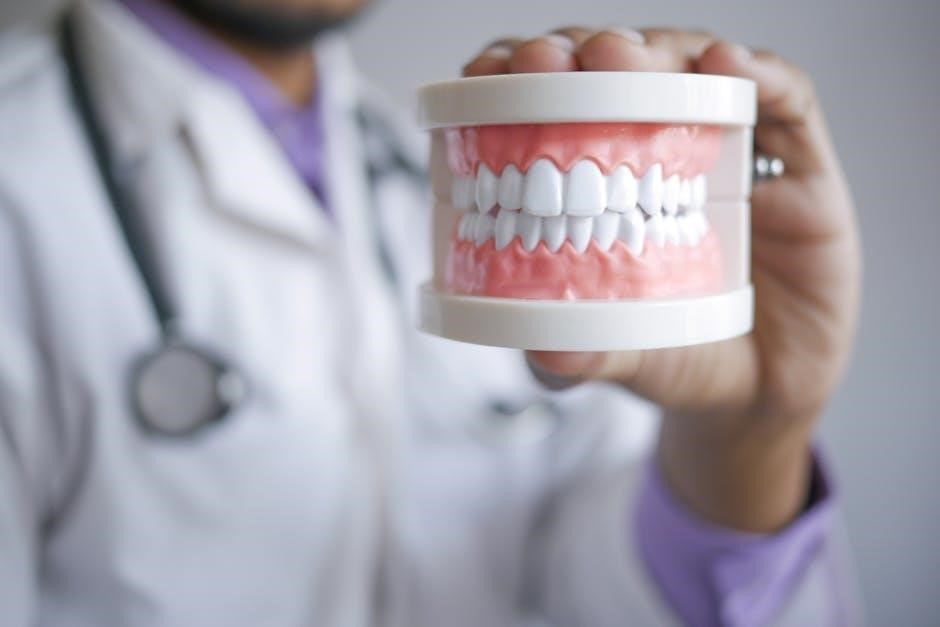
Intervention Goals and Protocols
Intervention goals for post-stroke patients utilizing oral motor exercises, often outlined in resources like downloadable PDF guides, center around restoring safe and efficient swallowing, alongside improved speech articulation. Protocols frequently involve a progressive approach, starting with passive range of motion exercises and advancing to active resistance training.
Studies analyzing these interventions, as indicated by the identification of 26 relevant studies, demonstrate a focus on strengthening oral musculature. PDF resources, such as those from Clarian Health, often provide visual aids and step-by-step instructions. The intensity and frequency of exercises are tailored to individual patient needs and tolerance levels, aiming for measurable improvements in oral motor function.
Outcome Measures in Stroke Rehabilitation
Outcome measures in stroke rehabilitation utilizing oral motor exercises, frequently detailed within PDF guides and research analyses, assess improvements in swallowing safety and efficiency. These include clinical swallowing evaluations, measuring aspiration risk and residue presence. Speech clarity is assessed via standardized articulation tests, tracking improvements in phoneme production.
Researchers, having identified 26 studies, utilize these measures to quantify the benefits of interventions. Resources like those from Super Duper Inc. and NHS Borders support tracking progress. Objective measures, such as maximum lip closure force and tongue protrusion distance, are also employed. Consistent monitoring, guided by PDF protocols, ensures interventions are effective and tailored to individual patient recovery.