Native American spiritual guidance offers profound wisdom, deeply rooted in ancestral traditions and a reverence for the natural world, fostering holistic well-being.
Indigenous beliefs emphasize interconnectedness, honoring ancestors, and seeking harmony with the Great Spirit, providing a path to personal and communal healing.
The Significance of Indigenous Wisdom
Indigenous wisdom, passed down through generations via oral tradition and storytelling, holds immense value for contemporary society. It offers unique perspectives on living in balance with nature, fostering respect for all living things, and understanding the interconnectedness of existence.
This ancient knowledge provides guidance on navigating life’s challenges, addressing trauma and addiction, and reclaiming cultural identity. The spiritual practices, like smudging and vision quests, promote healing and self-discovery, offering a pathway to wholeness. Recognizing the immortality of the soul and honoring ancestral spirits are central tenets.
Historical Context: Pre-Columbian Beliefs
Pre-Columbian beliefs across North America were incredibly diverse, yet shared common threads of reverence for the Earth and a belief in a Great Spirit, a universal creator. Totemism, prevalent among Northwest tribes, centered on the belief in a spiritual connection with natural objects and animals.
These spiritual systems weren’t static; they evolved over millennia, deeply interwoven with daily life, social structures, and artistic expression. Prior to European contact, these traditions flourished, guiding communities and shaping their understanding of the cosmos and their place within it.

Core Beliefs in Native American Spirituality
Native American spirituality centers on the Great Spirit, interconnectedness of all life, and deep respect for nature, guiding ethical conduct and fostering balance.
Immortality of the soul and honoring ancestral spirits are also fundamental tenets within these diverse belief systems.
The Great Spirit: A Universal Creator
The Great Spirit, often referred to as Manitou, Wakan Tanka, or similar names across various tribes, represents the supreme, all-encompassing creative force in Native American spirituality.
This isn’t a deity in the Western sense, but rather an immanent power present in all things – the universe, nature, and every living being. It’s understood as the source of all life, wisdom, and guidance.
Connection to the Great Spirit is achieved through prayer, ceremony, and living in harmony with the natural world, fostering a deep sense of reverence and responsibility;
Interconnectedness of All Living Things
Native American spirituality profoundly emphasizes the interconnectedness of all living things – humans, animals, plants, the Earth, and the cosmos – forming a sacred web of life.
This belief dictates a deep respect for nature, recognizing that harming any part of the web impacts the whole. Every element possesses spirit and deserves reverence.
Living in balance with this interconnectedness requires mindful actions, gratitude, and a commitment to preserving the Earth for future generations, fostering harmony and sustainability.
Respect for Nature and the Earth
Native American spiritual guidance centers on profound respect for nature and the Earth, viewing them not as resources to exploit, but as sacred entities deserving of reverence and protection.
This stems from the belief in the interconnectedness of all life, where humans are integral parts of a larger ecosystem, not separate from it.
Practices like gratitude ceremonies and sustainable living reflect a commitment to honoring the Earth’s gifts and maintaining balance within the natural world, ensuring its well-being.

Key Practices and Rituals
Native American spiritual guidance utilizes rituals like smudging, sweat lodges, and vision quests to purify, heal, and connect with the spirit world for guidance.
Storytelling preserves wisdom and strengthens community bonds, embodying ancestral knowledge and cultural identity.
Smudging and Purification Ceremonies
Smudging, a central practice in Native American spiritual guidance, involves burning sacred herbs like sage, cedar, or sweetgrass to cleanse a space or person of negative energies.
This purification ritual isn’t merely symbolic; it’s believed to physically and spiritually clear away unwanted influences, promoting healing and balance.
The smoke carries prayers and intentions to the Great Spirit, creating a sacred atmosphere for ceremony or daily life. Each herb possesses unique properties, contributing to the overall intention of the smudging process, fostering well-being and spiritual clarity.
Sweat Lodge Ceremonies
Sweat lodge ceremonies, a deeply sacred practice within Native American spiritual guidance, represent a womb-like space for purification, renewal, and spiritual rebirth. Constructed from natural materials, the lodge symbolizes the universe.
Heated stones are poured with water, creating intense steam that induces profound sweating, releasing both physical and emotional toxins.
Participants offer prayers and songs, seeking guidance and healing. This intense experience fosters introspection, connection to the Great Spirit, and a renewed sense of purpose, embodying a powerful journey of self-discovery.
Vision Quests and Spiritual Journeys
Vision quests, central to Native American spiritual guidance, are profound, solitary journeys undertaken for spiritual insight and direction. Individuals venture into remote wilderness areas, fasting and praying for several days.
This intentional isolation facilitates deep introspection and heightened awareness, opening oneself to receive guidance from the spirit world.
The seeker may receive a vision – a symbolic message revealing their life purpose or a spirit animal guide. Returning to the community, they share their experience, integrating the wisdom gained into their life’s path.
The Role of Storytelling and Oral Tradition
Storytelling is fundamental to Native American spiritual guidance, serving as the primary method of transmitting history, beliefs, and values across generations. Before widespread literacy, oral traditions preserved cultural knowledge, ensuring its continuity.
Stories aren’t merely entertainment; they embody sacred teachings, moral lessons, and ancestral wisdom, connecting individuals to their heritage.
Through narratives, the interconnectedness of all living things and the importance of respecting nature are emphasized, fostering a deep spiritual understanding.
The Native American Church and Peyote
The Native American Church (NAC) reveres peyote, a sacred cactus, utilizing it in ceremonies for spiritual healing and connection to the divine.
The NAC represents a widespread religious movement among Indigenous peoples, preserving traditions and offering guidance.
Sacred Use of Peyote
Peyote, a small, spineless cactus, holds immense spiritual significance within the Native American Church, growing naturally in limited regions; Its sacred use isn’t recreational; rather, it’s a central element in deeply meaningful ceremonies.
Members consume peyote as a sacrament, believing it facilitates direct communication with the Great Spirit and offers profound healing—emotional, physical, and spiritual. Ceremonies, guided by a roadman, involve prayer, singing, and reflection, fostering community and individual insight. The plant is treated with utmost respect, considered a gift from the Creator.
The NAC’s Role in Modern Spirituality
The Native American Church (NAC) stands as the most widespread religious organization among North America’s Indigenous peoples, actively preserving and promoting traditional spiritual practices in a contemporary context.
Beyond safeguarding the sacred use of peyote, the NAC provides a vital community for Native Americans, offering support, cultural continuity, and a space for spiritual growth. It also increasingly engages in interfaith dialogue, sharing Indigenous wisdom with a broader audience and advocating for religious freedom and environmental stewardship.
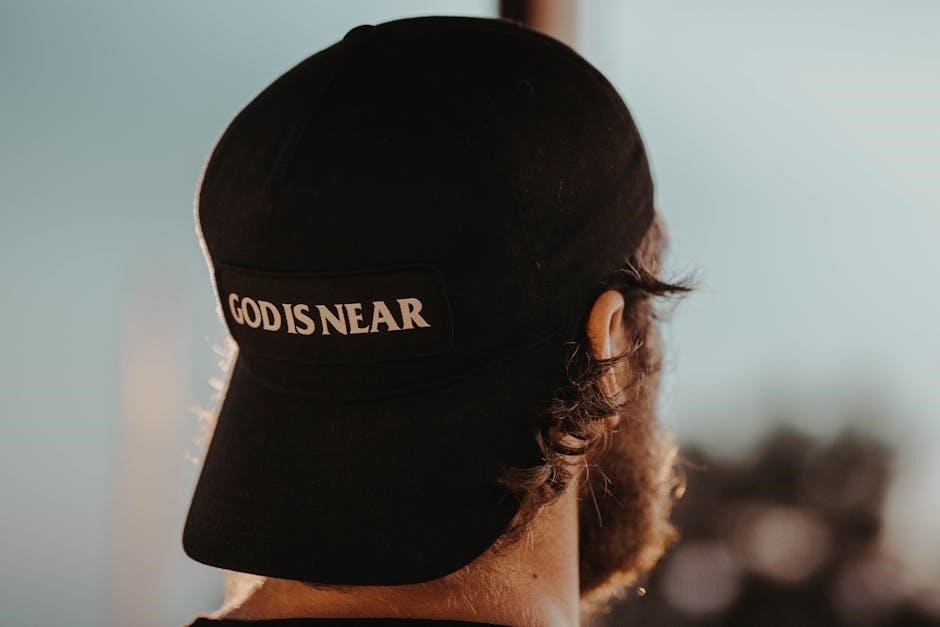
Totemism and Animal Spirits
Totemism, prevalent among Northwest tribes, centers on the belief in a spiritual connection with natural objects or animals, offering guidance and protection.
Animal spirits act as powerful guides, embodying specific qualities and lessons, assisting individuals on their spiritual journeys and life paths.
Understanding Totem Animals
Totem animals aren’t simply admired creatures; they represent ancestral spirits and profound symbolic meaning within Native American traditions. These animal guides offer unique insights, reflecting personal strengths, challenges, and life purpose.
Identifying your totem involves deep introspection, observing animal encounters, and recognizing recurring themes in dreams or meditations. Each animal possesses distinct characteristics – the bear embodies strength, the eagle signifies vision, and the wolf represents loyalty.
Honoring your totem through respectful observation and acknowledging its lessons fosters a stronger connection to the spirit world and unlocks personal growth.
The Meaning of Animal Guides
Animal guides in Native American spirituality serve as powerful messengers, offering protection, wisdom, and guidance throughout life’s journey. They appear in various forms – dreams, visions, or physical encounters – carrying specific lessons tailored to individual needs.
Understanding an animal guide’s message requires careful observation of its behavior, habitat, and symbolic associations. For example, the hummingbird signifies joy and adaptability, while the owl represents intuition and hidden knowledge.
Embracing the qualities of your animal guide empowers personal transformation and deepens your connection to the natural world.
Shamanism and Spiritual Healing
Shamanism, a core practice, involves accessing altered states to connect with the spirit world for healing, balance, and guidance, restoring wholeness.
Shamans act as intermediaries, utilizing rituals and ceremonies to address spiritual imbalances and promote well-being within the community.
The Role of the Shaman
The Shaman holds a vital position within Native American communities, acting as a bridge between the physical and spirit realms. They are not merely healers, but spiritual leaders, counselors, and keepers of ancient knowledge.
Through rigorous training and spiritual journeys, Shamans develop the ability to enter altered states of consciousness, communicating with spirits to diagnose illness, retrieve lost souls, and restore harmony. Their role extends to conducting ceremonies, interpreting dreams, and offering guidance to individuals and the tribe, ensuring collective well-being and maintaining balance within the natural world.
Healing Practices and Techniques
Native American healing encompasses a holistic approach, addressing the physical, emotional, and spiritual aspects of well-being. Smudging with sacred herbs like sage purifies energy, while sweat lodge ceremonies promote detoxification and spiritual renewal.
Shamans utilize drumming, chanting, and herbal remedies, guided by spirit communication, to restore balance. Vision quests facilitate profound self-discovery and connection to the Great Spirit. These practices aim not only to alleviate symptoms but to address the root causes of illness, fostering complete healing and harmony.
Connecting with the Spirit World
Native American spirituality centers on a profound connection to the spirit world, believing all beings possess a life force. Shamans act as intermediaries, journeying to non-ordinary realms through drumming, chanting, and altered states of consciousness.
Animal spirits and ancestral guides offer wisdom and support, communicating through dreams, visions, and signs in nature. This connection isn’t distant; it’s woven into daily life, fostering reverence and reciprocal relationships with all creation, recognizing the interconnectedness of everything.
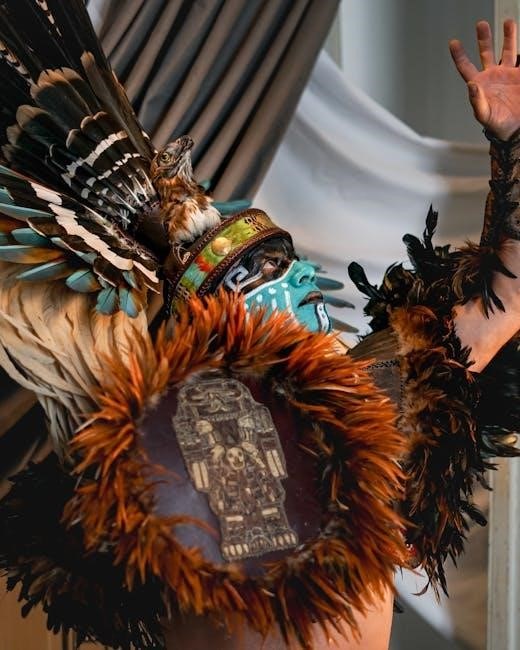
Beliefs About the Afterlife and Ancestors
Native American spirituality frequently believes the soul is immortal, continuing its journey after death, while ancestral spirits remain influential and are honored.
Respectful remembrance and ceremonies maintain connections, seeking guidance and blessings from those who came before, ensuring continuity and wisdom.
Immortality of the Soul
Native American beliefs consistently emphasize the enduring nature of the soul, viewing death not as an ending, but as a transition to another realm or state of being.
This perspective suggests the soul doesn’t simply vanish; instead, it continues its journey, often returning to the spirit world or being reborn in a new form, maintaining a cyclical existence.
The concept of immortality isn’t always linear, but rather a continuation of energy and consciousness, deeply intertwined with the natural world and ancestral lineage, offering comfort and hope.
Honoring Ancestral Spirits
Native American spirituality places immense importance on maintaining a strong connection with ancestors, believing they continue to influence the lives of the living.
Rituals, ceremonies, and storytelling serve as vital means of remembering and revering those who came before, seeking their guidance and protection.
Honoring ancestors isn’t merely remembrance; it’s acknowledging their enduring presence and wisdom, fostering a sense of continuity and belonging within the community and the land.

Native American Spirituality and Modern Life
Native American spiritual guidance offers resilience, aiding in reclaiming traditions, addressing trauma, and navigating contemporary challenges with ancient wisdom and renewed purpose.
Reclaiming Indigenous Traditions
Reclaiming Indigenous traditions represents a powerful act of cultural revitalization, countering historical suppression and fostering a renewed sense of identity for Native American communities. This involves actively reviving ancestral practices like storytelling, ceremony, and traditional arts, passing them down through generations.
Spiritual guidance plays a crucial role, encouraging individuals to reconnect with their heritage and embrace the wisdom of their ancestors. This reclamation isn’t simply about restoring the past; it’s about adapting these traditions to address modern challenges, promoting healing, and strengthening cultural resilience in the face of ongoing systemic issues.
Addressing Addiction and Trauma
Native American spiritual guidance offers unique pathways to healing from addiction and trauma, acknowledging the intergenerational impacts of colonization and historical trauma. Traditional ceremonies, like smudging and sweat lodges, provide safe spaces for emotional release and spiritual cleansing, fostering a sense of belonging and community support.
This holistic approach integrates mind, body, and spirit, recognizing the importance of cultural identity and ancestral wisdom in the recovery process. Spiritual practices empower individuals to reclaim their narratives and find strength in their heritage, promoting lasting well-being.
Spiritual Guidance for Contemporary Challenges
Native American spiritual guidance provides invaluable tools for navigating modern life’s complexities, emphasizing resilience, adaptability, and a deep connection to the Earth. Indigenous wisdom offers perspectives on sustainability, community responsibility, and mindful living, addressing contemporary issues like environmental concerns and social injustice.
By reconnecting with ancestral teachings and embracing interconnectedness, individuals can find meaning, purpose, and inner peace amidst chaos. This guidance fosters a renewed sense of hope and empowers individuals to create positive change in their lives and the world.

Regional Variations in Native American Spirituality
Native American spiritual guidance varies greatly by region, reflecting diverse cultures and environments – from Plains traditions to Southwestern beliefs and Northwest Coastal practices.
Each region’s unique worldview shapes ceremonies, stories, and relationships with the spirit world, demonstrating rich spiritual diversity.
Plains Indian Spirituality
Plains Indian spirituality, a cornerstone of Native American spiritual guidance, centers on a deep connection to the buffalo, representing sustenance, sacredness, and the interconnectedness of life.
Vision quests were crucial, seeking guidance from spirit animals and the Great Spirit through solitude and fasting, often involving elaborate ceremonies and storytelling. The Sun Dance, a central ritual, demonstrated devotion and community renewal.
Oral traditions preserved ancestral wisdom, while shamanic practices facilitated healing and communication with the spirit world, emphasizing respect for nature and the cyclical rhythms of existence.
Southwestern Native American Beliefs
Southwestern Native American spiritual guidance uniquely blends ancestral traditions with the harsh desert landscape, fostering resilience and a profound respect for limited resources.
Ceremonial dances, like the Kachina dances of the Hopi, embody spirits believed to bring rain, fertility, and blessings, connecting communities to the divine. Storytelling and intricate sand paintings preserve sacred narratives and cosmological understandings.
The sacred use of peyote within the Native American Church reflects a deep spiritual connection, while shamanic healing practices address physical, emotional, and spiritual imbalances.
Northwestern Coastal Traditions
Northwestern Coastal Native American spiritual guidance centers around a deep relationship with the ocean and its abundant resources, reflected in elaborate ceremonies and artistic expressions.
Totemism is prominent, with animal spirits representing clan identities and providing guidance; monumental totem poles visually narrate ancestral stories and spiritual beliefs. Potlatches, ceremonial feasts, demonstrate wealth and reinforce social bonds.
Shamans, skilled in navigating the spirit world, offer healing and prophecy, while oral traditions preserve knowledge of the land, sea, and the interconnectedness of all life.
The Impact of Colonization on Spiritual Practices
Colonization severely suppressed Native American spiritual guidance, yet Indigenous resilience fostered a revival of traditions despite historical trauma and forced assimilation.
Despite challenges, sacred practices endured, demonstrating the enduring power of ancestral beliefs and cultural identity.
Suppression of Indigenous Religions
Historically, Native American spiritual guidance faced systematic suppression through governmental policies and missionary efforts aimed at forced conversion to Christianity. Ceremonies like the Sun Dance and peyote rituals were outlawed, deemed “savage” or contrary to dominant religious norms.
Boarding schools played a devastating role, actively prohibiting Indigenous languages, spiritual practices, and cultural expression, inflicting intergenerational trauma. This deliberate dismantling of spiritual life aimed to erode Indigenous identity and control, causing profound and lasting harm to communities and their ancestral ways.
Resilience and Revival of Traditions
Despite facing immense adversity, Native American spiritual guidance demonstrated remarkable resilience. Indigenous communities secretly maintained traditions, passing down knowledge through oral storytelling and subtle practices, preserving the core tenets of their beliefs.
The late 20th and 21st centuries witnessed a powerful revival, fueled by activism and a growing desire to reclaim cultural heritage. The Native American Church flourished, and communities actively work to revitalize languages, ceremonies, and spiritual practices, ensuring their continuity for future generations.

Resources for Further Exploration
Explore books and websites dedicated to Indigenous cultures, and support organizations championing Native American spirituality for deeper understanding and respectful engagement.
Pew Research Center offers valuable insights into global religious beliefs, including those of Native American communities, fostering informed perspectives.
Books and Websites
Delving into Native American spirituality requires respectful and informed resources. Several books offer insights into diverse tribal traditions, histories, and beliefs, promoting cultural sensitivity. Websites like the Native American Rights Fund (NARF) provide legal and advocacy information, while tribal websites offer direct perspectives.
Pew Research Center’s studies on religious practices globally, including those of Indigenous peoples, offer valuable data. Explore resources from the National Museum of the American Indian for accurate historical and cultural context, ensuring a comprehensive understanding.
Organizations Supporting Native American Spirituality
Numerous organizations champion Native American spiritual practices and cultural preservation. The Native American Church actively preserves its traditions, including the sacred use of peyote, while advocating for religious freedom. NARF (Native American Rights Fund) provides legal support for tribal sovereignty and spiritual rights.
Additionally, the National Congress of American Indians (NCAI) works to protect tribal cultures and self-determination. These groups foster resilience, revival, and ethical engagement with Indigenous spirituality, ensuring its continuity for future generations.

Ethical Considerations and Cultural Sensitivity
Respectful engagement with Native American spirituality demands avoiding appropriation and honoring sacred traditions. Seek guidance from Indigenous communities and prioritize reciprocity.
Authenticity and humility are crucial when learning about and interacting with these deeply meaningful practices and beliefs.
Respecting Sacred Traditions
Genuine respect for Native American sacred traditions necessitates understanding their profound significance within Indigenous cultures. These aren’t merely historical practices, but living, breathing components of ongoing spiritual life.
Approaching ceremonies, stories, and beliefs with humility and a willingness to learn – rather than extract or reinterpret – is paramount. Avoid seeking personal gain or commodifying spiritual knowledge. Prioritize listening to and learning from Indigenous voices, acknowledging their sovereignty over their own traditions.
Recognize that certain knowledge is restricted and not intended for public consumption, honoring those boundaries.
Avoiding Appropriation
Cultural appropriation within Native American spirituality involves taking elements – symbols, ceremonies, or beliefs – out of their original context for personal use, often without understanding or permission.
This can manifest as misusing sacred objects, imitating rituals without proper guidance, or claiming spiritual authority without legitimate lineage. It disrespects the cultural heritage and can be deeply harmful.
Instead, focus on respectful appreciation: learn about the cultures, support Indigenous artists and businesses, and advocate for Indigenous rights and self-determination.
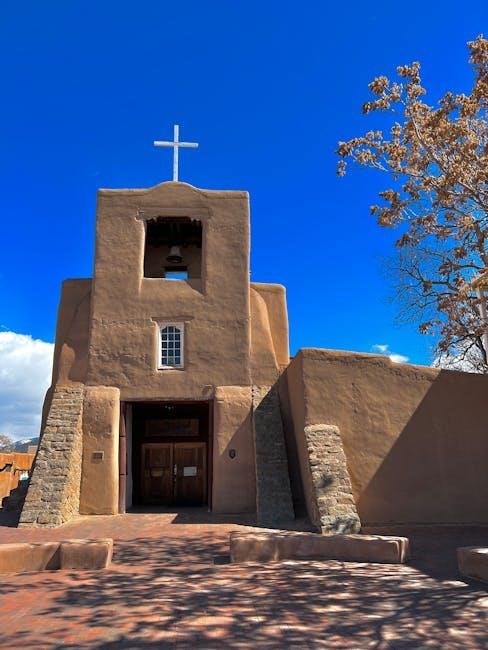
The Future of Native American Spiritual Guidance
Preserving Indigenous knowledge and sharing ancient wisdom with a modern world is crucial, ensuring these vital traditions thrive for generations to come.
Preserving Indigenous Knowledge
Protecting oral traditions and sacred sites is paramount, as these are the vessels of ancestral wisdom and spiritual power. Community-led initiatives are vital for revitalizing languages and cultural practices, ensuring authenticity and self-determination.
Documenting ceremonies and teachings, with the consent and guidance of elders, creates a valuable resource for future generations. Supporting Native American educators and cultural centers fosters a deeper understanding and appreciation of these rich heritages. This ensures the continuity of spiritual guidance.
Sharing Wisdom with the World
Native American spiritual guidance offers valuable perspectives on interconnectedness, respect for nature, and holistic well-being, resonating with global challenges. Authentic teachings, shared respectfully and ethically, can inspire a more sustainable and compassionate world.
Interfaith dialogue and collaborative initiatives promote understanding and bridge cultural divides. Supporting Indigenous voices in environmental activism and social justice movements amplifies their crucial message. This sharing fosters healing and collective growth for all.