Zeta Phi Beta Closing Prayer PDF: A Comprehensive Overview (Updated 04/07/2026)
Today, April 7th, 2026, resources like the “Blessed, Favored, Abundant, Grateful Zeta Prayer Journal” offer 120 pages for prayerful reflection, alongside the 1976 hymnbook․
Furthermore, visual representations, such as “A Prayer for My Sorors” artwork, and the 2003 Protocol Manual, guide proper prayerful conduct within Zeta Phi Beta․
Historical Context of Zeta Phi Beta Prayers
Zeta Phi Beta Sorority, Inc․, founded in 1920, deeply intertwined spirituality with its foundational principles from the very beginning․ Early members, recognizing the power of collective supplication, established prayer as a cornerstone of sisterhood and service․
While specific documentation of the earliest closing prayers remains scarce, oral traditions passed down through generations reveal a consistent emphasis on gratitude, upliftment, and commitment to the sorority’s ideals․ The 1976 Zeta Phi Beta Hymn and Songbook represents a pivotal moment, formally codifying many of these expressions into accessible, shared liturgical practices․
This hymnal wasn’t merely a collection of songs; it was a spiritual guide, reflecting the evolving needs and aspirations of Zeta women․ The inclusion of prayers within the songbook demonstrates a deliberate effort to integrate faith into all aspects of sorority life․ Over time, these prayers have adapted, reflecting societal changes and the ongoing spiritual journeys of Zeta members, yet retaining core themes of faith and sisterly love․
The Significance of Prayer within Zeta Phi Beta
Prayer within Zeta Phi Beta transcends mere ritual; it’s a vital expression of the sorority’s core values – sisterhood, scholarship, service, and finer womanhood․ It serves as a unifying force, connecting members across generations and geographical boundaries through shared faith and intention․
The act of communal prayer fosters a sense of spiritual grounding, providing strength and guidance as Zeta women navigate personal and professional challenges․ Closing prayers, in particular, symbolize the culmination of meetings and events, reinforcing the sorority’s commitment to its principles․
Furthermore, prayer cultivates gratitude for blessings received and inspires continued dedication to service․ Resources like the “Blessed, Favored, Abundant, Grateful Zeta Prayer Journal” highlight the importance of intentional prayer practice, encouraging members to deepen their personal connection with faith and the sorority’s mission․
Types of Prayers Used in Zeta Phi Beta
Zeta Phi Beta utilizes a diverse range of prayers, reflecting the varied spiritual backgrounds and needs of its members․ These encompass opening prayers, designed to set a reverent tone for gatherings, and closing prayers, offering gratitude and seeking continued blessings․
Occasional prayers are also employed for specific events, such as initiations, chapter milestones, or times of collective concern․ The 1976 Zeta Phi Beta Hymn and Songbook likely contains traditional prayers and invocations used during ceremonies․
The “Blessed, Favored, Abundant, Grateful Zeta Prayer Journal” suggests a focus on personalized prayer requests and reflections, indicating a space for individual spiritual expression․ While specific closing prayer formats may vary, they consistently emphasize sisterhood, service, and the pursuit of finer womanhood, guided by faith and devotion․

Opening Prayers
Opening prayers within Zeta Phi Beta serve as a foundational element, establishing a sacred and focused atmosphere before meetings, ceremonies, or events․ These invocations typically express gratitude for the opportunity to gather as sisters and seek divine guidance for productive and harmonious interactions․
While specific wording may differ across chapters, opening prayers generally invoke a higher power, acknowledging its presence and requesting blessings upon the sorority’s endeavors․ The 1976 Zeta Phi Beta Hymn and Songbook potentially includes established opening prayers used traditionally within the organization․
These prayers often align with Zeta’s core principles of scholarship, service, sisterhood, and finer womanhood, setting a tone of reverence and purpose․ The “Blessed, Favored, Abundant, Grateful Zeta Prayer Journal” encourages a mindset of gratitude, mirroring the intent of opening invocations․
Closing Prayers – Focus of this Article
Closing prayers within Zeta Phi Beta represent a culminating expression of gratitude and reaffirmation of the sorority’s values․ These invocations serve to formally conclude meetings or events, offering a moment of collective reflection and spiritual closure․ This article specifically focuses on these concluding expressions of faith․
Unlike opening prayers which seek guidance, closing prayers often express thankfulness for blessings received and a commitment to upholding Zeta’s principles in daily life․ Resources like the “Blessed, Favored, Abundant, Grateful Zeta Prayer Journal” provide space for recording answered prayers, reflecting the impact of these closing moments․

Variations in wording exist across chapters, but the core intent remains consistent: to end gatherings with reverence and a renewed sense of sisterhood․ The 1976 hymnbook may contain traditional closing prayers utilized within Zeta Phi Beta․
Occasional Prayers (e․g․, for special events)
Zeta Phi Beta’s prayer life extends beyond routine meetings, encompassing specific invocations for special occasions․ These “occasional prayers” address unique needs or commemorate significant events within the sorority or the lives of its members․ While a dedicated PDF solely for these isn’t readily available, their essence is woven into the broader tapestry of Zeta’s spiritual practices․
Events like chapter anniversaries, community service initiatives, or moments of remembrance often call for tailored prayers․ These may express gratitude for milestones achieved, seek blessings for ongoing endeavors, or offer comfort and strength during times of sorrow․ The 2003 Protocol Manual likely offers guidance on appropriate prayerful responses for such events․
Resources like the “Blessed, Favored, Abundant, Grateful Zeta Prayer Journal” can be utilized to document these specific, event-related prayers, preserving their meaning and impact within the chapter’s history․

Analyzing the Zeta Phi Beta Closing Prayer
Examining Zeta closing prayers reveals common themes of gratitude, sisterhood, and spiritual growth, often reflected in the 1976 hymnbook and prayer journals․
Common Themes Found in Zeta Closing Prayers
A deep dive into Zeta Phi Beta closing prayers consistently reveals several prominent and recurring themes that underscore the sorority’s values and spiritual foundation․ Gratitude emerges as a central element, with expressions of thankfulness directed towards a higher power for blessings received and opportunities for service․
Sisterhood, a cornerstone of Zeta’s identity, is frequently invoked, emphasizing the bonds of unity, support, and shared purpose among members․ Prayers often request continued strength and guidance for the sorority as a whole, and for individual sorors in their personal and professional lives․
Furthermore, a commitment to upliftment and service to others is consistently present, reflecting Zeta’s dedication to social action and community involvement․ The “Blessed, Favored, Abundant, Grateful Zeta Prayer Journal” likely encourages reflection on these themes, while the 1976 hymnbook provides lyrical expressions of faith and sisterly love․
Structure and Format of a Typical Zeta Closing Prayer
While variations exist across Zeta Phi Beta chapters, a common structure generally characterizes their closing prayers․ Typically, a prayer begins with an invocation, addressing a higher power with reverence and respect․ This is often followed by expressions of gratitude for the blessings of the day, the opportunity for sisterhood, and guidance received․
A central portion of the prayer focuses on specific requests – for strength, wisdom, and continued success in Zeta’s endeavors, as well as for the well-being of members and their communities․ The 2003 Protocol Manual likely outlines expectations for respectful conduct during these moments․
Concluding remarks often reaffirm a commitment to Zeta’s principles and a dedication to service․ Resources like the “Blessed, Favored, Abundant, Grateful Zeta Prayer Journal” may offer templates or prompts, while the 1976 hymnbook provides a complementary spiritual framework․
Variations in Closing Prayers Across Chapters
Despite a shared foundation, Zeta Phi Beta closing prayers exhibit delightful variations across different chapters․ These differences reflect the unique character and local context of each chapter, fostering a sense of individuality within the sorority’s unified spirit․ While core themes of gratitude and sisterhood remain constant, the specific wording and emphasis can shift․
Some chapters might incorporate references to local community needs or specific chapter initiatives into their prayers․ Others may draw inspiration from the 1976 hymnbook, integrating lyrical phrases or themes into their spoken petitions․ The “Blessed, Favored, Abundant, Grateful Zeta Prayer Journal” could also inspire personalized additions․
The 2003 Protocol Manual likely provides a framework, but allows for flexibility, acknowledging that genuine expression is paramount․ These variations demonstrate the living, breathing nature of Zeta’s spiritual practice․

Accessing Zeta Phi Beta Closing Prayer PDFs
Resources include the “Blessed, Favored, Abundant, Grateful Zeta Prayer Journal” on Amazon, alongside the 1976 hymnbook available through University of Florida archives․
Official Zeta Phi Beta Sorority, Inc․ Resources
Currently, a direct, publicly accessible PDF of standardized Zeta Phi Beta closing prayers isn’t prominently featured on the official Zeta Phi Beta Sorority, Inc․ website․ However, the 2003 Protocol Manual, a crucial resource for chapter operations, undoubtedly contains guidelines and examples pertaining to appropriate prayerful conduct and potentially, prayer wording․
Access to this manual is typically restricted to initiated members of the sorority․ Chapters often maintain their own compendiums of prayers, adhering to the overarching principles outlined in the Protocol Manual․ Furthermore, the 1976 Zeta Phi Beta Hymn and Songbook, while primarily focused on hymns, may include prayers or invocations used during chapter events, offering insight into traditional practices․
Members are encouraged to consult with their chapter’s leadership and established protocols for accurate and authorized prayer resources․ The sorority emphasizes reverence and sincerity during prayer moments, prioritizing a meaningful spiritual experience over strict adherence to a single, standardized text․
Third-Party Resources Offering Zeta Prayers
Various online platforms and retailers offer resources marketed towards Zeta Phi Beta members, including prayer journals and artwork featuring prayerful imagery․ Amazon․com, for instance, features “A Prayer for My Sorors” artwork by Merril Robinson, depicting clasped hands in prayer with a Zeta Phi Beta tassel․ Additionally, the “Blessed, Favored, Abundant, Grateful Zeta Prayer Journal” provides 100 pages dedicated to recording prayer requests and reflections․
However, it’s crucial to exercise discernment when utilizing these third-party resources․ These materials are often created by individuals or companies unaffiliated with the Zeta Phi Beta Sorority, Inc․, and may not reflect officially sanctioned prayers or protocols․ While potentially inspirational, they should not be considered authoritative sources․
Members should prioritize resources provided through official Zeta channels and verify the accuracy of any prayer content found elsewhere, ensuring alignment with the sorority’s values and traditions․
The “Blessed, Favored, Abundant, Grateful Zeta Prayer Journal”
This 100-day notebook, available on Amazon․com, is specifically designed for prayer and reflection inspired by Zeta Phi Beta Sorority, Inc․ Featuring a royal blue and white color scheme – emblematic of Zeta’s colors – the journal offers a dedicated space for members to document their prayer requests and record perceived answers․
The journal’s 8×10 inch flexible softcover makes it portable and convenient for daily use․ Its 120 pages, including the 100 dedicated to prayer recording, provide ample room for thoughtful journaling․ The full-color cover design adds an aesthetic appeal, enhancing the overall prayer experience․
While not an official publication of Zeta Phi Beta, it serves as a personal tool for members seeking to deepen their spiritual connection and practice gratitude, aligning with the sorority’s principles․
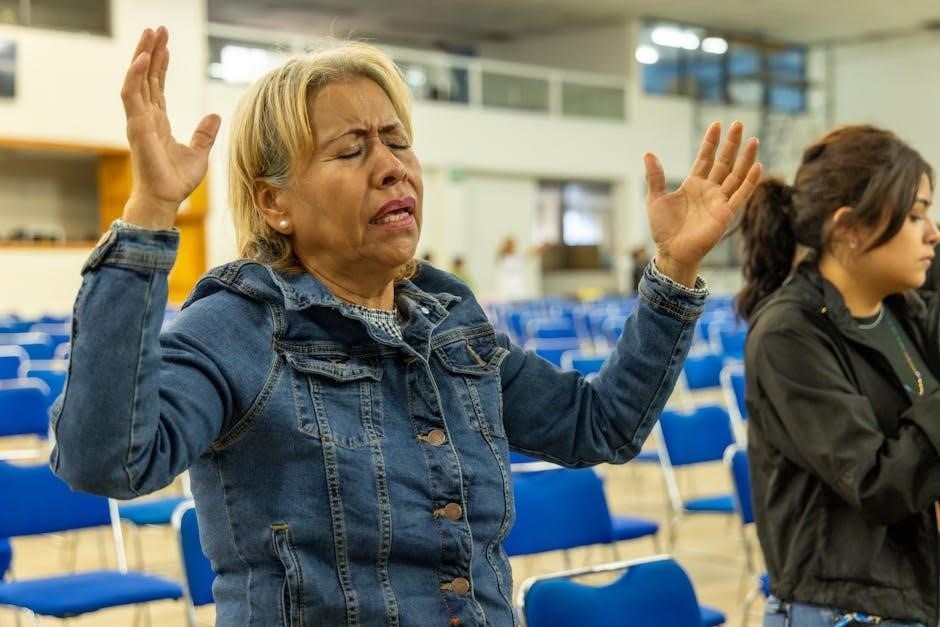
The Role of Hymns and Songbooks in Zeta Prayer Life
The 1976 Zeta Phi Beta Hymn and Songbook provides musical accompaniment for prayerful moments, enriching worship and fostering a deeper spiritual connection within the sorority․

The 1976 Zeta Phi Beta Hymn and Songbook
The 1976 Zeta Phi Beta Hymn and Songbook, archived within the Special and Area Studies Collections at the University of Florida (MSS 0578, Box 2), represents a significant historical artifact of the sorority’s spiritual practices․
This collection, belonging to the Delta Sigma Zeta Chapter records, offers a glimpse into the hymns and songs utilized during Zeta Phi Beta ceremonies and devotional gatherings during that era․ While the specific content of the hymnbook isn’t detailed in the provided excerpt, its existence underscores the longstanding tradition of incorporating music into Zeta’s prayer life․
It’s reasonable to assume the songbook contained selections designed to inspire reverence, gratitude, and sisterly bonds, potentially complementing closing prayers and enhancing the overall spiritual atmosphere of Zeta events․ Further research into the hymnbook’s contents would reveal the specific musical expressions of faith cherished by Zeta members in 1976․
Connection Between Hymns and Prayer
Hymns and prayer share a deeply interwoven relationship within the Zeta Phi Beta sorority, functioning as complementary expressions of faith and devotion․ The 1976 Hymn and Songbook, alongside contemporary prayer practices documented in resources like the “Blessed, Favored, Abundant, Grateful Zeta Prayer Journal,” demonstrate this synergy․
Hymns often serve as a conduit to prayer, preparing the heart and mind for deeper spiritual connection․ The lyrical content and melodic structure can evoke feelings of reverence, gratitude, and hope, fostering an atmosphere conducive to sincere prayer․
Conversely, prayer can inspire the creation and selection of hymns, reflecting the collective faith and aspirations of the Zeta sisterhood․ This reciprocal relationship strengthens the spiritual foundation of the sorority, enriching both individual and communal worship experiences, particularly during closing ceremonies․

Visual Representations of Zeta Prayer
Artwork like “A Prayer for My Sorors” depicts clasped hands over an open Bible with a Zeta Phi Beta tassel, symbolizing faith and sisterhood․
“A Prayer for My Sorors” Artwork and its Significance
The artwork, “A Prayer for My Sorors” by Merril Robinson, serves as a powerful visual representation of the spiritual connection within Zeta Phi Beta Sorority, Inc․ This piece, often available as an unframed 8×10 inch print, beautifully encapsulates the essence of prayer and sisterly devotion․
Depicted above an open Bible are hands clasped in prayer, a universal symbol of reverence and supplication․ Significantly, a Zeta Phi Beta tassel or bookmark is thoughtfully placed within the Bible’s pages, directly linking the act of prayer to the sorority’s identity and values․ This imagery underscores the importance of faith as a cornerstone of the Zeta experience․
The artwork’s color scheme, predominantly blue, reflects the sorority’s official colors, further solidifying its association with Zeta Phi Beta․ It’s a poignant reminder of the bonds shared amongst sorors and the collective prayers offered for their well-being and success․ The piece isn’t merely decorative; it’s a visual affirmation of spiritual unity․
Zeta Symbols Incorporated into Prayer Imagery

Zeta Phi Beta’s rich symbolism is frequently interwoven with prayer imagery, reinforcing the sorority’s identity and spiritual foundation․ The prominent inclusion of the Zeta Phi Beta tassel within depictions like Merril Robinson’s “A Prayer for My Sorors” artwork exemplifies this practice․
The blue and white color palette, emblematic of Zeta’s founding principles, consistently appears in prayer-related visuals, creating a cohesive and recognizable aesthetic․ This deliberate use of color serves as a constant reminder of the sorority’s history and enduring values during moments of reflection․
Beyond the tassel, other Zeta symbols – though less explicitly stated in available resources – likely find subtle representation in prayerful artwork and materials․ These could include representations of the Greek letters themselves or imagery alluding to the sorority’s founding ideals of scholarship, service, sisterhood, and finer womanhood․ This integration deepens the spiritual connection for Zeta members․

Protocol and Proper Usage of Prayers
The 2003 Protocol Manual outlines guidelines for respectful conduct during prayer, emphasizing reverence and sincerity as core tenets of Zeta Phi Beta’s spiritual practice․
Guidelines from the 2003 Protocol Manual
The January 2003 Zeta Phi Beta Sorority, Incorporated Protocol Manual provides crucial directives regarding prayerful conduct, ensuring uniformity and respect across all chapters․ While specific details of closing prayer protocols aren’t explicitly detailed in the provided snippets, the manual broadly emphasizes dignified and reverent behavior during all official ceremonies․
It’s understood that the manual likely addresses appropriate posture, tone of voice, and the overall atmosphere conducive to sincere prayer․ Given the Sorority’s commitment to upholding high standards, the guidelines likely discourage disruptive behavior or casual attitudes during prayer moments․
Furthermore, the manual’s principles likely extend to the proper handling and use of any printed prayer materials, including potential PDF versions of closing prayers, stressing respect for the sacredness of the occasion and the traditions of Zeta Phi Beta․
Respectful Conduct During Prayer Moments
Maintaining reverence and sincerity is paramount during Zeta Phi Beta prayer moments, particularly when utilizing a closing prayer PDF or reciting traditional prayers․ The 2003 Protocol Manual, though not detailing specifics, underscores dignified conduct expected of all members․
This translates to minimizing distractions – silencing electronic devices, avoiding unnecessary movement, and directing full attention towards the prayer leader or the shared intention․ Members should demonstrate attentiveness through respectful posture and a quiet demeanor, fostering a collective atmosphere of devotion․
Furthermore, respectful conduct extends to honoring the sentiments expressed in the prayer, whether derived from a printed source or recited from memory․ A sincere and humble approach reflects the values of Zeta Phi Beta and strengthens the spiritual bond among sorors․
The Importance of Reverence and Sincerity
Reverence and sincerity are foundational to meaningful prayer within Zeta Phi Beta, extending to the use of any closing prayer PDF or resource․ These qualities aren’t merely performative; they represent a genuine connection to spiritual principles and the sorority’s core values․
Utilizing resources like the “Blessed, Favored, Abundant, Grateful Zeta Prayer Journal” or the 1976 hymnbook demands a heartfelt approach․ Simply reciting words lacks the power of sincere intention and focused devotion․ The 2003 Protocol Manual, while focused on procedure, implicitly supports this need for genuine expression․
A sincere prayer, whether individual or collective, fosters unity and strengthens the bonds between sorors․ It’s a moment for introspection, gratitude, and seeking guidance, requiring a humble and respectful mindset․ This elevates the experience beyond ritual and into a deeply personal connection․