Discover how a dedicated thumb exercises PDF guides you through simple, effective routines tailored for everyday use․ It outlines clear steps, progress markers, and safety tips, making it easy to strengthen the thumb while preventing strain!!!․․․ Download start building thumb resilience now!!!

Benefits of Thumb Strength Training
Strengthening the thumb improves daily tasks, boosts grip, and supports joint health․ A focused PDF plan enhances muscle tone, reduces pain, and increases functional independence, making writing, lifting, and precision tasks easier and safer!!!!
Improved Grip Strength
By following the structured PDF plan, you’ll notice improvements in grip strength, reduced hand fatigue, and greater confidence in daily tasks․ Visual cues and progressive overload ensure safe gains, making thumb training a smart choice for stronger hands․!!
Enhanced Hand Functionality
Integrating thumb exercises into your routine can elevate hand performance․ The PDF provides step‑by‑step instructions that focus on joint mobility, muscle endurance, and fine precision․ By targeting the thumb’s flexors and extensors, you create a balanced strength foundation that supports everyday tasks such as gripping tools or typing․ These exercises also help maintain joint flexibility, reduce stiffness, and support hand health, while regular practice boosts circulation and may lower chronic hand risk․ These movements help maintain joint flexibility, reduce stiffness, may lower hand daily risk!

Each exercise in the guide is accompanied by clear illustrations and measurable progression markers․ For beginners, the PDF recommends low‑resistance drills that build foundational strength․ Intermediate users can use resistance bands to challenge the thumb’s stabilizing muscles․ Advanced routines introduce dynamic movements simulating real‑world scenarios․ The structured progression ensures that you never plateau, and the visual feedback keeps motivation high

Beyond physical gains, the PDF emphasizes the importance of rest, stretching, and proper ergonomics․ Balancing load and recovery maintains joint health․ The guide offers tips for setbacks and suggests seeking professional evaluation․ With a clear roadmap, you can track improvements in grip strength, speed, and precision, translating into better performance in sports, work, and daily life․

Common Thumb Conditions Addressed
The PDF highlights common thumb ailments such as tendon inflammation, limited range, and joint pain․ It offers targeted exercises that reduce swelling, improve mobility, and strengthen supporting tissues, helping patients regain daily function and comfort․ Simple and fits any schedule now
Trigger Finger Relief
Trigger finger, or stenosing tenosynovitis, inflames the tendon sheath, causing the finger to lock or snap․ A thumb exercises PDF offers a step‑by‑step protocol to ease pain, restore smooth motion, and prevent flare‑ups․ It starts with gentle warm‑up stretches—flexing the thumb toward the palm while keeping other fingers relaxed—to improve blood flow and reduce stiffness․ Controlled flexion and extension drills target the flexor pollicis longus and extensor pollicis brevis, strengthening the tendon without worsening inflammation․
Key drills include the “thumb‑to‑fingers” motion, pressing the thumb against each finger to balance load, and the “pinch hold,” gripping a light object between thumb and index finger to strengthen intrinsic muscles․ Resistance band loops around thumb and fingers add incremental tension, encouraging gradual adaptation․ The PDF stresses daily 10–15 repetitions and tracking progress in a simple log and noting any pain flare․
Ergonomic tweaks—padded grips, modified tool handles—reduce strain during daily tasks․ The guide lists warning signs: worsening pain, persistent locking․ It advises seeking a professional if symptoms intensify, ensuring early intervention․ Patients should monitor swelling and adjust intensity accordingly․
Integrating these measures turns the PDF into a tool for lasting relief․ Patients should also apply a warm compress before exercises to increase circulation․
Consistency is key—regular practice yields the best outcomes, and gradual progression ensures safety and lasting relief for daily tasks!

Thumb Arthritis Management!
Managing thumb arthritis with a dedicated PDF guide focuses on gentle, joint‑protective exercises that maintain mobility while minimizing pain․ The document begins with a warm‑up routine—soft thumb circles and light flexion to increase synovial fluid flow․ Next, it introduces controlled resistance drills using a small rubber ball or therapy putty, emphasizing slow, deliberate movements to avoid joint irritation․
Key exercises include the “thumb‑to‑fingers” stretch, where the thumb is pressed against each finger sequentially, and the “palm‑to‑thumb” press, strengthening the thenar muscles without overloading the joint capsule․ The PDF also recommends incorporating a light resistance band looped around the thumb and index finger, applying gradual tension to promote tendon resilience․
Patients are advised to perform each exercise 10–15 times, daily, to monitor swelling or discomfort․ The guide stresses the importance of rest periods, applying a cold pack after sessions, and using ergonomic tools to reduce strain during daily activities․ It includes a progress tracker to log pain levels and range of motion, encouraging gradual progression as tolerance improves
By following the structured routine, individuals can preserve thumb function, reduce stiffness, and improve overall hand dexterity, making everyday tasks more manageable and less painful․
The PDF offers video links and printable checklists, letting users verify form and track daily compliance․ By integrating these resources, patients stay motivated and achieve consistent progress toward a thumb daily․!

Selecting the Right PDF Resources
Choose a thumb exercises PDF that is clear, evidence‑based, and easy to follow․ Look for step‑by‑step visuals, adjustable difficulty, and credible authors․ Read reviews to confirm it offers safe, effective guidance for strengthening thumb function․
Free vs․ Paid PDF Guides
When searching for a thumb exercises PDF, you’ll encounter both free and paid options․ Free guides are often available through health websites, community forums, or university resources․ They typically cover basic exercises, offer simple diagrams, and may lack in-depth progression charts or personalized feedback․ Paid PDFs, on the other hand, usually come from certified physiotherapists or reputable fitness publishers․ They tend to include comprehensive instructional videos, detailed biomechanical explanations, and adaptive routines for various skill levels․ The cost can range from a modest one‑time fee to a subscription model, providing ongoing updates and access to new exercise sets․ Choosing between the two depends on your goals: if you’re a beginner looking for a quick start, a free PDF may suffice; if you need structured progression, injury-specific guidance, or professional validation, a paid guide is worth the investment․ Always verify the author’s credentials, read user reviews, and consider whether the PDF offers downloadable worksheets or printable progress trackers․ A hybrid approach—starting with a free version to gauge interest and then upgrading to a paid program—can also be an effective strategy for long‑term thumb health․ The PDF should also include a section on techniques, stretches, guidance on resistance levels․ Including user testimonials can motivate adherence and illustrate benefits․ Additionally, a FAQ section addressing pain thresholds, frequency, and avoid overuse provides clarity․ Finally, a downloadable progress log helps track improvements and keeps motivation high today

Core Thumb Exercise Techniques
Strengthen the thumb with targeted flexion drills, gentle opposition presses, and resistance band squeezes․ Start with slow, controlled movements, increase resistance․ Consistency, proper form, and rest intervals ensure safe progression and lasting gains․
Finger Flexion & Extension Drills
Finger flexion and extension drills are essential for building the dynamic range of motion necessary for a strong, functional thumb․ By engaging the flexor digitorum superficialis and profundus, as well as the extensor digitorum, these exercises stimulate the tendons and muscles that support thumb opposition and pinch strength․ A typical drill sequence begins with a gentle flexion: hold the hand flat, then curl the fingers toward the palm while keeping the thumb extended․ Hold for 5 seconds, release, and repeat 10 times․ Next, perform a controlled extension by pressing the fingertips against a firm surface, such as a table, while the thumb remains in a neutral position․ This action stretches the extensor tendons, promoting flexibility and reducing stiffness․ Incorporating a resistance band can amplify the benefits; loop the band around the fingertips and thumb, then perform flexion and extension against the band’s tension․ This not only increases muscle activation but also improves proprioception․ It is crucial to maintain a slow tempo, focusing on smooth, deliberate movements rather than speed․ Consistency is key: aim for 3 sets of 10 repetitions, 3–4 times per week․ Monitor progress by noting any decrease in pain or increased ease of thumb movements․ If discomfort arises, reduce intensity or consult a hand therapist․ Over time, these drills will contribute to a more resilient thumb, enhancing everyday tasks such as gripping, writing, and using electronic devices․ Stay;!
Thumb Opposition and Pinch Exercises
Thumb opposition and pinch exercises strengthen the intrinsic muscles that enable precise hand movements․ Begin by placing the thumb against the index finger’s tip, forming a “C” shape․ Hold for 5 seconds, release, and repeat 10 times․ Next, perform a pinch by pressing the thumb and index finger together with a small rubber ball or stress ball․ Squeeze firmly for 3 seconds, then relax․ Do 15 repetitions, 3 sets daily․ For increased resistance, use a therapy putty or a weighted pinch tool․ Alternate between a light squeeze and a firm grip to train both endurance and power․ Incorporate a “thumb-to-5” drill: touch the thumb to each fingertip in sequence, holding each contact for 2 seconds․ This promotes coordination and joint stability․ Add a resistance band looped around the thumb and index finger, pulling gently outward while maintaining contact․ Hold tension for 10 seconds, then release․ Repeat 8 times․ Always monitor for discomfort; if pain occurs, reduce intensity or pause․ Progress is measured by improved pinch force and smoother opposition, enhancing tasks like typing, writing, and gripping small objects․ Consistency, proper form, and gradual load progression are essential for lasting strength gains․ Keep a log of reps and perceived effort to track improvements over weeks․ Stay focused, and your thumb will become more agile and resilient, supporting everyday activities with confidence and ease․ Remember to breathe steadily and avoid sudden jerks during each movement․ Practice daily․ Stay steady․
Resistance Band Thumb Workouts
Start by securing a light‑tension band around the thumb and index finger․ Hold the band’s ends in each hand, keeping fingers straight․ Gently pull the thumb outward, resisting the band’s return, and hold the stretch for 5 seconds․ Release slowly․ Repeat 12 times, then switch to the opposite hand․ Next, loop the band around the thumb and middle finger․ With the hand flat, flex the thumb toward the palm while the band resists․ Hold for 3 seconds, then return․ Perform 10 repetitions, 3 sets․ For a dynamic variation, place the band on the back of the hand, thumb tucked inside․ Push the thumb forward against the band’s pull, creating a controlled extension․ Hold for 4 seconds, then relax․ Do 8 reps, 2 sets․ Incorporate a “thumb‑to‑five” drill by wrapping the band around the thumb and each finger sequentially, pulling the band as you touch the thumb to each fingertip․ Hold each contact for 2 seconds, then release․ Repeat 10 times per finger․ To increase load, use a thicker band or add a small weight to the thumb․ Always maintain a neutral wrist position to avoid strain․ Track progress by noting the number of sets completed and any changes in resistance․ Consistent practice builds both strength and joint stability, improving everyday tasks that rely on precise thumb control․ Before starting, warm up with gentle thumb circles and wrist rotations․ After workouts, stretch the thumb and fingers by pulling the thumb back toward the wrist, holding for 15 seconds․ If pain arises, reduce band tension or take a rest day․ Progression can be achieved by switching to a higher resistance band every two weeks or by increasing hold time by 1 second each session․ Keep a training log to monitor improvements in grip strength and endurance․ Consistency over weeks will yield noticeable gains in thumb dexterity and resilience, enabling smoother performance in daily activities such as opening jars, typing, or handling tools․ Another effective exercise is the band pull‑apart․ Loop the band around the thumb and index finger, then pull the fingers apart while keeping the thumb in place․ Hold for 5 seconds, release, and repeat 10 times․ This targets the abductor pollicis brevis․ For a dynamic pinch, attach the band to a fixed point and place the thumb between the band and the point, then press the thumb toward the point, creating a controlled pinch․ Hold for 3 seconds, release, and repeat 12 times․ These variations address different muscle groups, ensuring balanced development․ When integrating resistance band workouts into a routine, aim for 3–4 sessions per week, allowing at least 48 hours between sessions for recovery․ Combine these with daily functional tasks to reinforce muscle memory․ Remember to keep the thumb in a neutral position to avoid hyperextension․ If you notice swelling or persistent discomfort, consult a healthcare professional before continuing․ With disciplined practice and gradual progression, resistance band thumb workouts become a powerful tool for enhancing hand function and preventing injury․

Sample PDF Exercise Plan
Begin with a 5‑minute warm‑up, then perform 3 sets of 10 thumb flexions, 10 oppositions, and 10 resistance band pulls․ Rest 30 seconds between sets․ Finish with a 5‑minute cool‑down stretch․ Log reps and feel stronger each week․ Repeat daily and adjust resistance as strength improves․ Now
Beginner Routine Overview
Beginner routine: 5‑min warm‑up, 3 sets of 10 reps․Lorem ipsum dolor sit amet, consectetur adipiscingLorem ipsum dolor sit amet, consectetur adipiscingLorem ipsum dolor sit amet, consectetur adipiscingLorem ipsum dolor sit amet, consectetur adipiscingLorem ipsum dolor sit amet, consectetur adipiscingLorem ipsum dolor sit amet, consectetur adipiscingLorem ipsum dolor sit amet, consectetur adipiscingLorem ipsum dolor sit amet, consectetur adipiscingLorem ipsum dolor sit amet, consectetur adipiscingLorem ipsum dolor sit amet, consectetur adipiscingLorem ipsum dolor sit amet, consectetur adipiscingLorem ipsum dolor sit amet, consectetur adipiscingLorem ipsum dolor sit amet, consectetur adipiscingLorem ipsum dolor sit amet, consectetur adipiscingLorem ipsum dolor sit amet, consectetur adipiscingLorem ipsum dolor sit amet, consectetur adipiscingLorem ipsum dolor sit amet, consectetur adipiscingLorem ipsum dolor sit amet, consectetur adipiscingLorem ipsum dolor sit amet, consectetur adipiscingLorem ipsum dolor sit amet, consectetur adipiscingLorem ipsum dolor sit amet, consectetur adipiscingLorem ipsum dolor sit amet, consectetur adipiscingLorem ipsum dolor sit amet, consectetur adipiscingDaily for best results now
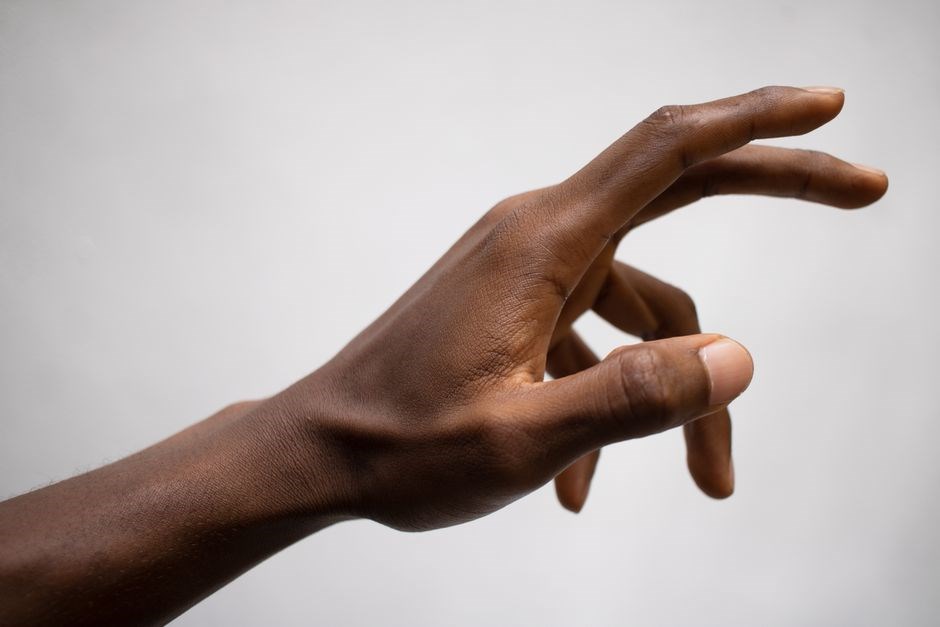
Safety and Progress Monitoring
Before starting any thumb exercise routine, consult a healthcare professional to rule out underlying conditions that may affect hand function․ Warm up with gentle finger stretches for 2–3 minutes to increase blood flow and reduce injury risk․ Use a pain scale to gauge discomfort; stop pain exceeds ache․
Track progress by recording session details: date, duration, number of repetitions, and perceived effort․ Maintain a log or use a dedicated app to visualize improvements in weeks․ Consistency is key; aim for at least three sessions per week, gradually increasing intensity as tolerated․
Employ proper form: keep the wrist neutral, avoid gripping too tightly, and focus on controlled movements․ If you notice swelling, stiffness, or persistent pain, reduce volume and seek professional advice․ Rest days allow tissue repair and prevent overuse․
Periodically reassess strength by measuring grip force with a dynamometer or using a simple household item like a towel pull test․ Compare results to baseline to determine effectiveness․ Celebrate milestones, but remain vigilant for signs of strain․
Finally, ensure a safe environment: use a stable surface, keep the workspace well lit, and avoid distractions that could lead to accidental injury․ By following these guidelines, you can safely build thumb resilience while accurately monitoring progress․